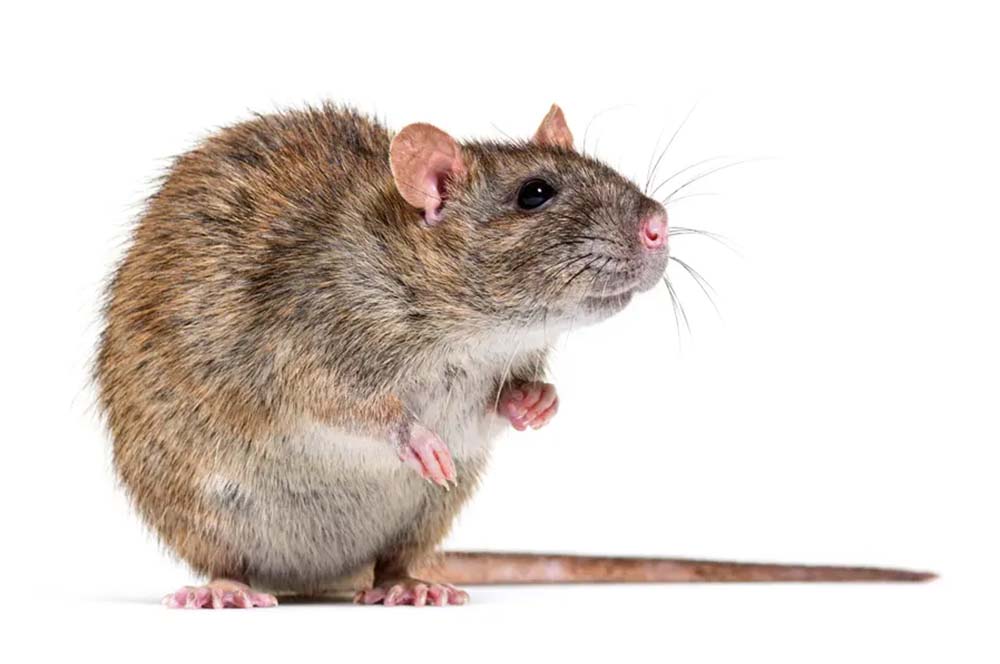
The same pattern is repeated every year when the cold settles in across Maryland, and suddenly homeowners start to hear some light scratching in the walls, begin to spot a few droppings in the pantry, or notice that food bags have small bite marks. These small signs often mean that mice or rats have moved inside for warmth.
It’s not because your home is unclean or in disarray, it’s just the nature of winter here. Once temperatures cool outside and food becomes tougher for them to find, your homes offer everything rodents might need to survive the season: heat, shelter, and steady access to food. That’s why calls about rodent activity rise sharply for us every year during winter.
Here’s what drives this seasonal spike, what you can look out for, and what actually helps keep rodents out once the cold sets in.
Why Rodents Head Indoors During Maryland Winters
- Cold Weather Pushes Them In: Even a small opening, near pipes, around vents, or loose siding, is enough room for a mouse to get through. Many older homes develop tiny gaps over time and rodents take advantage of them when the temperatures go down.
- Food Supplies Outdoor Runs Out: With the death of gardens and insect dormancy, the rodents lose food sources that are readily available. Your kitchen, garage, and storage areas are much more appealing in winter than anything they can find outside, a common pattern in Maryland and nearby states.
- They Breed Indoors: One mouse can have multiple litters per year, even in winter. Once they get comfortable in a warm attic or wall void, their numbers grow quickly.
Winter Signs Maryland Homeowners Should Watch For
Many winter rodent problems start small. Early signs of their presence usually mean it’s time to take a closer look:
- Light scratching or tapping inside the walls, particularly at night
- Small, pellet-shaped droppings
- Shredded paper, insulation, or fabric
- Chewed and gnawed food packages in storage
- A faint, pungent smell within confined areas , such as basements and closets
Generally, if one or more of these are present, it generally indicates the activity is happening inside your home.
Simple Ways to Lower Rodent Risk Before It Gets Worse
- Seal Gaps and Openings: Check for these particularly around pipes, utility lines, dryer vents, and foundation cracks. Steel wool or copper mesh is effective, since rodents can’t chew through them.
- Store Food Properly: Keep food for the pantry and pet food in sealed containers. Do not leave full pet bowls out overnight.
- Declutter: Rodents like to hide in boxes, piles, and corners that see little traffic. Keeping storage raised and organized makes your home less desirable.
- Keep the Outside Clear: Move firewood away from the house, clear leaves, and trim shrubs that touch siding. These areas often act as shelter or pathways.
- Get a Professional Inspection: Winter is the easiest season for rodents to settle in. Entry points can be located, nests found, and long-term protection plans put in place that fit your home’s layout by a trained technician.
Why Local Homes Rely on Womack Pest Control in the Colder Months
Womack Pest Control has been helping families throughout Maryland deal with winter rodent issues for decades. Because we work in the same neighborhoods year after year, we know where rodents typically enter a home, what conditions attract them, and how to stop problems before they spread.
Our approach is straightforward:
- Careful inspection
- Clear explanations
- Practical, safe treatments
- Long-term prevention options
No pressure, no guesswork, just solutions that work for the way Maryland homes are built.
If Something Feels Off, It’s Best to Check Early
Small winter rodent issues seldom stay small. If you have been hearing strange noises, finding droppings, or seeing that items have been chewed, an early inspection can help prevent the problem from growing. Womack Pest Control is ready to help you get your home through the colder months safely and comfortably. Contact us today at 301-381-8526 for a free inspection!