Summer humidity affects more than your comfort. Besides impacting the way you feel during the summer months, humidity also alters the environment around your home in ways that make it favorable for pests. The presence of excessive humidity causes bugs such as roaches, silverfish, and centipedes to become active and search for moist shelter.
Humid summer weather and regular rain in Maryland create opportunities for moisture to collect in different parts of the house. These moist areas serve as perfect breeding grounds for all kinds of bugs.
At Womack Pest Control, we have been protecting homeowners’ properties from pests since 1943. Learning about how moisture attracts pests is essential to prevent an infestation problem at your home.
Why Humidity Matters to Household Pests
Like people, insects need water for survival. They might be able to survive for extended periods without food, but they cannot survive without moisture.
Moisture tends to accumulate both indoors and outdoors due to the high humidity during the summertime in Maryland. Since warm air retains more water molecules than cold air, condensation forms on cool surfaces such as windows, pipes, air conditioning systems, and foundation walls. Combined with frequent summer rain, this creates ideal hiding places for moisture-loving pests.
Common Moisture-Loving Pests Found in Maryland Homes
Cockroaches
Cockroaches are considered one of the most frequent pests in Maryland, and they love moisture, which means they often find a way into homes due to moisture.
Moisture from leaking pipes, basements, crawl spaces, and under the sinks is what they seek. Cockroaches breed fast once inside, and they also carry and spread bacteria. There are several species of cockroaches found in Maryland that commonly infest homes and businesses.
Silverfish
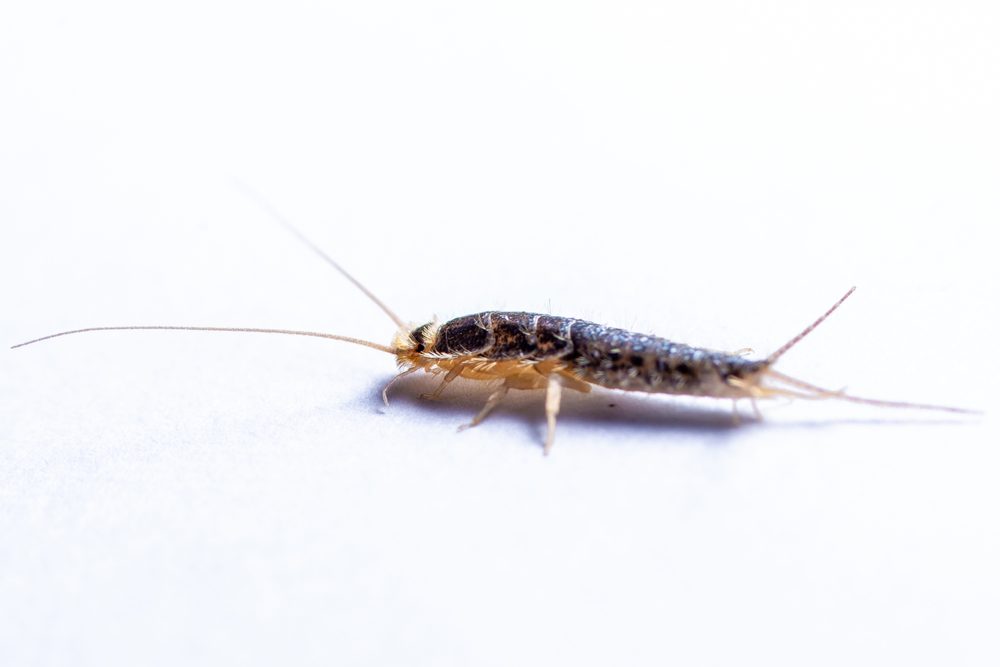
If you’ve seen a tiny silvery insect scurrying around on the floor or walls in your bathroom, it was probably a silverfish.
Silverfish live in moist, dark, humid environments and can be found eating things like paper, cardboard, glue, fabric, and other items that contain starches. Their favorite habitats include bathrooms, laundry rooms, boxes, and unfinished basements.
While reducing moisture may sometimes deter silverfish, dealing with an existing infestation will likely take more than just using a dehumidifier.
House Centipedes
Despite their frightening appearance, house centipedes are often a symptom of something else.
Unlike roaches and silverfish, centipedes are actually predators. They feed on other insects, including silverfish, cockroaches, spiders, and other bugs that live within a home. If you keep coming across centipedes within your house, there is likely to be a food source for them to follow.
Where Moisture Builds Up Inside Your Home
Most moisture problems occur in areas within the house that are not inspected regularly.
The following are some of the places where moisture tends to accumulate:
- Moisture-prone basements
- Crawl spaces with too much moisture in the soil
- Bathrooms due to steam from showering
- Laundry rooms due to moisture from dryers
- Leaking pipes under sinks and walls
- HVAC systems generating excess condensation
- Water heaters and utility rooms
These spaces are often dark, quiet, and undisturbed, making them ideal shelter for pests.
Why Summer Makes the Problem Worse
The summer season provides all the necessary conditions of warmth, humidity, and plenty of rain that make life easy for many pests. Bugs that love moisture stay alive longer, find better hiding places, and have easy access to water.
Summer rains cause an increase in soil moisture near the foundation, thus forcing the insects to come nearer to your house. Tiny openings around doors, utilities, vents, and foundations offer easy entry points for the insects.
Increased moisture in the house may lead to mold and mildew, which are food sources for some insects.
What Homeowners Can Do
Moisture control is the most important thing homeowners can do to reduce pest activity.
Simple preventive measures include:
- Fix leaky plumbing quickly.
- Install exhaust fans in the bathroom and kitchen.
- Use a dehumidifier in damp basements.
- Provide proper crawl space ventilation where necessary.
- Ensure that gutters and downspouts direct water away from the building’s foundation.
- Seal cracks around doors, windows, and utility openings.
- Do not store cardboard boxes in damp basements.
While these actions will make your house less attractive to pests, they will not always eliminate those already present.
Why Professional Pest Control Makes a Difference
Professional pest control involves treating not only the pests but also the environment that draws them in. Here at Womack Pest Control, we determine what environment draws in the pests, find where there is any pest activity, and form a plan of action that will safeguard your house year-round.
We are a family-owned business that has been servicing Maryland, Washington, D.C., and Northern Virginia since 1943. We understand that local weather patterns affect pest activity.
If you’re seeing signs of moisture-loving pests, we are here to help. Our experienced team provides thorough inspections and customized treatment plans to keep your home protected through every season. Contact us today to schedule a pest inspection and enjoy a healthier, more comfortable home.