As summer winds down, the kitchen starts to settle into a different routine. More meals are prepared at home, snacks are within easy reach, and pantry shelves often get more use as everyone spends more time indoors.
That change in routine can also make pest activity easier to notice.
Ants may show up around the countertops or pantry, while small beetles or moths can turn up in bags of flour, cereal, rice, pasta, spices, or other stored foods. In some cases, pantry pests can even make their way into the home inside a package from the grocery store.
Early fall is a good time to give your pantry and kitchen a quick check before a small pest problem has a chance to spread.
Start With a Pantry Check
You do not need to empty every cabinet. Start with older packages and foods that have been sitting in the back of the pantry.
Pay particular attention to:
- Flour and baking mixes
- Rice, pasta, and grains
- Cereal and crackers
- Nuts and dried fruit
- Spices and seasonings
- Pet food and birdseed
- Other dry goods that are not used often
Look for small insects, larvae, webbing, holes in packaging, or anything that looks unusual. Pantry pests can be small enough to go unnoticed, and some can spread from one package to another once they are in the cupboard. Pantry pests may not become obvious until insects or larvae are visible around stored foods.
If you find an infested package, seal it in a bag and throw it away. Then check the food stored nearby, including unopened packages.
Keep Dry Foods Sealed and Organized
Once you have checked your pantry, take a look at how your dry goods are stored.
Tightly sealed containers can make it harder for pantry pests to get into food or move from one package to another. Glass jars, sturdy plastic containers, and metal canisters with secure lids work well for items such as flour, cereal, rice, and pasta.
Keeping the pantry organized also makes it easier to notice something unusual the next time you check. You are less likely to overlook an old package when you can see what you have and where it is stored.
Do Not Give Ants an Easy Food Source
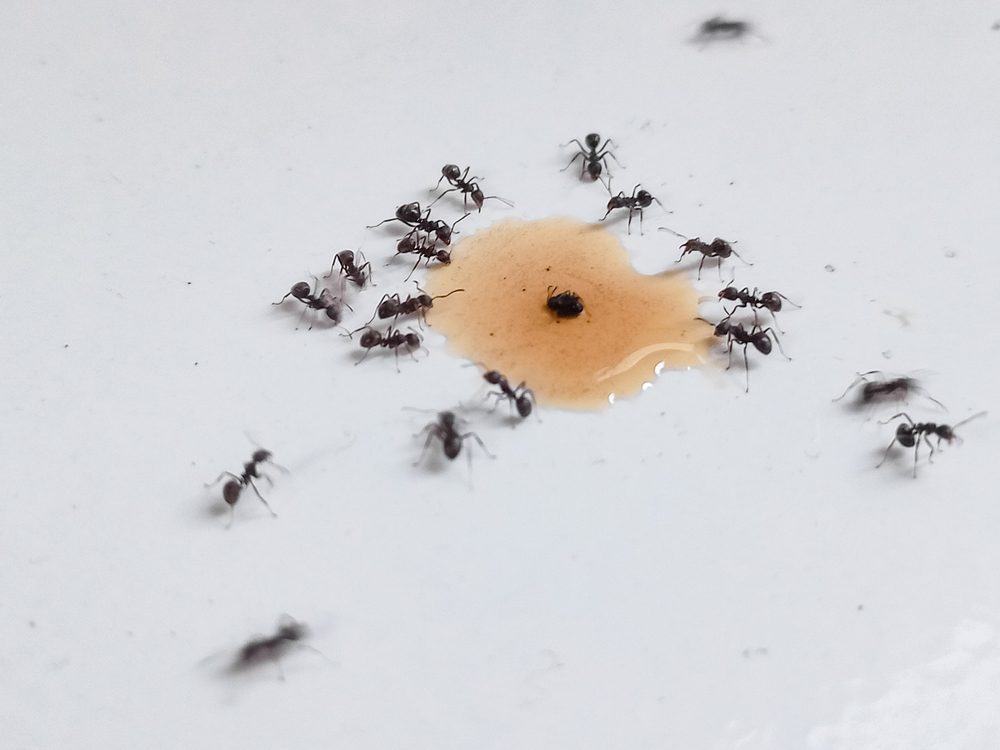
Pantry pests are not the only reason to pay attention to kitchen cleanliness. Ants are always looking for food, and a few crumbs or a sticky spill can be enough to attract them.
This can become more noticeable in early fall when there are more meals, snacks, baking, and school lunches happening at home.
A few simple habits can help:
- Wipe counters after preparing food.
- Clean crumbs from floors and around appliances.
- Wipe up spills when you notice them.
- Keep trash covered and empty it regularly.
- Store pet food in a sealed container.
- Avoid leaving food or dirty dishes out overnight.
There is no need to deep-clean the kitchen every day. The goal is simply to avoid leaving an easy food source behind.
Check How Ants Are Getting Inside
If ants continue showing up after you have cleaned the kitchen, look beyond the pantry.
Check around windows, doors, baseboards, cabinets, plumbing openings, and other areas where small cracks or gaps may give ants access to the home. Damaged screens and gaps around doors can also provide an easy entry point.
Outside, pay attention to vegetation touching the house and areas near the foundation where ants may be active.
Sealing openings can help reduce the ways ants get inside, but removing accessible food and water sources is just as important.
A few ants do not necessarily mean there is an infestation. The pattern matters more. If you keep seeing ants in the same area, notice a steady trail along a wall or countertop, or continue finding them after cleaning and addressing obvious entry points, there may be an established source nearby.
Pantry Moths and Beetles Need a Different Approach
Stored-food pests can be harder to spot because the source is often inside a food package rather than out in the open.
Indian meal moths, for example, can be found around cereal, grains, flour, dried fruit, nuts, pet food, and other dry goods. You may notice an adult moth flying around the kitchen before you find the package where the problem started.
If you notice pantry moths, beetles, larvae, or webbing, inspect the dry foods stored nearby. Check unopened packages, too.
Once you find the source, discard the affected food and clean the shelf thoroughly. Vacuum corners, cracks, and shelf edges where food particles or insects may remain. Then move unaffected foods into secure containers.
Knowing what common pantry pests look like can make it easier to spot a problem before it spreads.
When It Is Time to Call a Professional
Good pantry habits can prevent many pest problems, but they cannot always solve one that is already established.
If ants continue to appear despite cleaning and addressing obvious entry points, or pantry moths and beetles keep showing up after affected food has been removed, it is worth having the problem properly identified.
Recurring activity can point to a hidden source, an overlooked entry point, or a pest problem somewhere beyond the pantry. Professional pest control can help identify the pest and determine what is keeping it around rather than simply treating the insects you happen to see.
Give Your Kitchen a Fall Check
Fall pantry pest prevention does not have to be a major project. Check older pantry items, discard anything that looks infested, and keep dry foods in secure containers. Clean up crumbs and spills, and look around the kitchen for gaps that ants could use to get inside.
Most importantly, pay attention to patterns. A few ants after someone drops a cookie on the floor is one thing. Ants showing up in the same place every day is another. A single moth near the pantry may be easy to dismiss, but repeated moths or larvae in stored food deserve a closer look.
Catching those signs early can make a pest problem much easier to manage.
At Womack Pest Control, we know that keeping a Maryland home comfortable and pest-free often starts with noticing the small things. A little attention to the pantry and kitchen this fall can go a long way toward keeping unwanted guests out. If you need help with a pest problem, contact us today.