With the coming new year and setting new goals like getting organized, saving more, and protecting our homes, there’s one resolution many homeowners overlook: a winter pest inspection. Winter isn’t just about getting cozy under the blankets and enjoying hot drinks; actually, it’s the smartest time to give your home the due attention it deserves before the busy spring pest season kicks in.
Believe it or not, pests don’t take a break, even if it’s cold outside. In fact, many critters use the winter months to find shelter, food, and warmth, where? inside your home, and that makes winter an excellent time to catch hidden problems early.
Pests Are Still Active During Winter
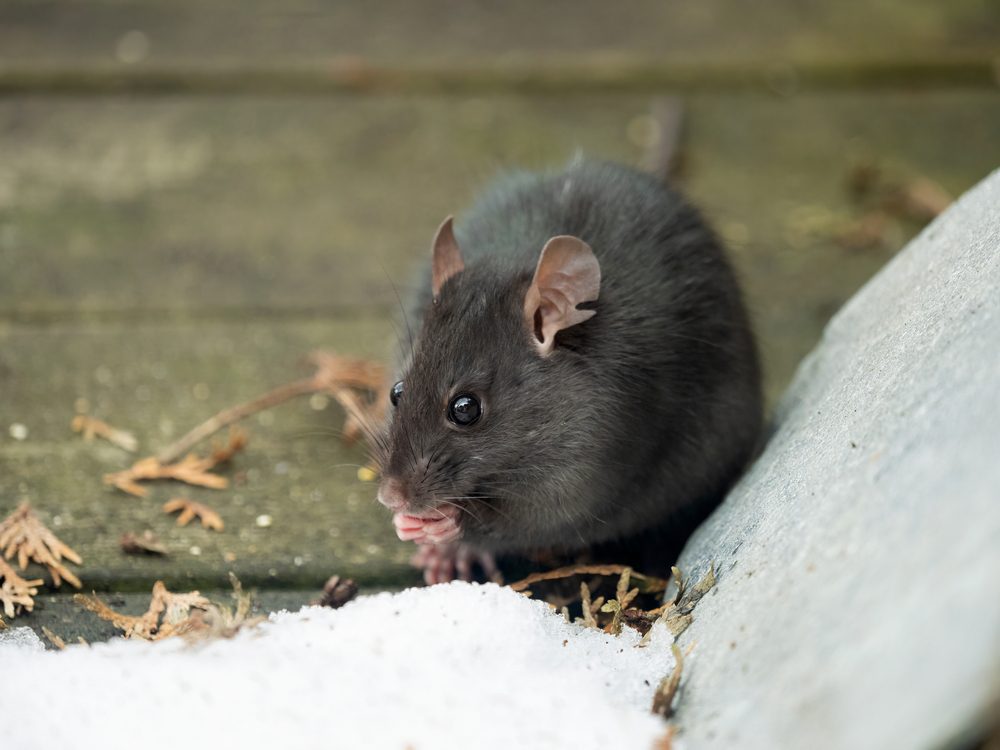
You might think that pest problems disappear when the temperature drops. Unfortunately, many species don’t hibernate outside; they come inside. This phenomenon is called overwintering, meaning insects and rodents seek warmth and shelter in homes, garages, and crawl spaces to survive colder months.
Common overwintering pests include:
- Rodents like mice and rats
- Spiders, ants, cockroaches
- Silverfish and beetles
- Termites (yes, even in winter!)
- Wasps, among other insects
These unwanted guests can chew wiring, contaminate food, tear insulation, and can even damage wood and structural elements of your house.
Why Winter Inspections Spot Problems Early
Here’s the real advantage of a winter pest inspection: the signs are easier to detect because pests inside your home leave more noticeable evidence. Holes in walls, droppings, nesting materials, and moisture problems become easier to find when the landscape isn’t masking them.
A professional inspection in winter can uncover:
- Small rodent points of entry and nests
- Insect trails and hidden infestations
- Moisture problems that create pest-attracting conditions
- Early signs of termite activity (mud tubes, wood damage)
Identifying these problems now allows you to address them before spring, when the pests become more active and difficult to control.
Termites: Why Waiting Until Spring Can Cost You
Many homeowners assume that termites are not a concern after the winter season, but termite activity doesn’t stop with the cold, especially indoors. Termites retreat deeper into structures for warmth and moisture, making signs of damage more concentrated and detectable during winter inspections.
Because termites are known to cause silent destruction to structural wood, often long before you notice, catching them in early activity, not in the height of spring or summer when they swarm, provides a serious advantage in protecting your home and avoiding costly repairs later.
Simple Winter Pest Prevention Tips (Homeowner-Friendly)
While a professional inspection is the best first step, here are several things that one can do right now to keep pests at bay:
Seal the Little Things: Small gaps and cracks around doors, windows, foundations, and utility lines all offer the pest an invitation to enter. Sealing them helps keep critters out.
Mind Your Pantry and Food Storage: Rodents and insects are attracted indoors by food sources. Store dry goods in airtight containers, and keep kitchen surfaces crumb-free.
Move Firewood Away from Your Home: Pests such as beetles and ants often burrow into wood piles and could migrate indoors if piled against the home.
Clean and Declutter: Keeping attics, basements, and closets to reduce areas where warm shelter-seeking pests can hide.
Make Pest Prevention a New Year’s Resolution
A pest inspection isn’t about fear; it’s about being proactive and protecting your investment. Much like changing out your HVAC filter, checking your smoke detectors, or updating your insurance, winter pest inspections give you clarity and confidence heading into a new season.
Here at Womack Pest Control, we’re dedicated to helping Maryland homeowners start off the year with fewer surprises and more peace of mind. Helping you spot entry points, hidden signs of infestations, or laying out a plan to protect your home for the year ahead, we want to be your partner in pest control.
Contact us to schedule your winter pest inspection and start the year with a truly pest-free home.