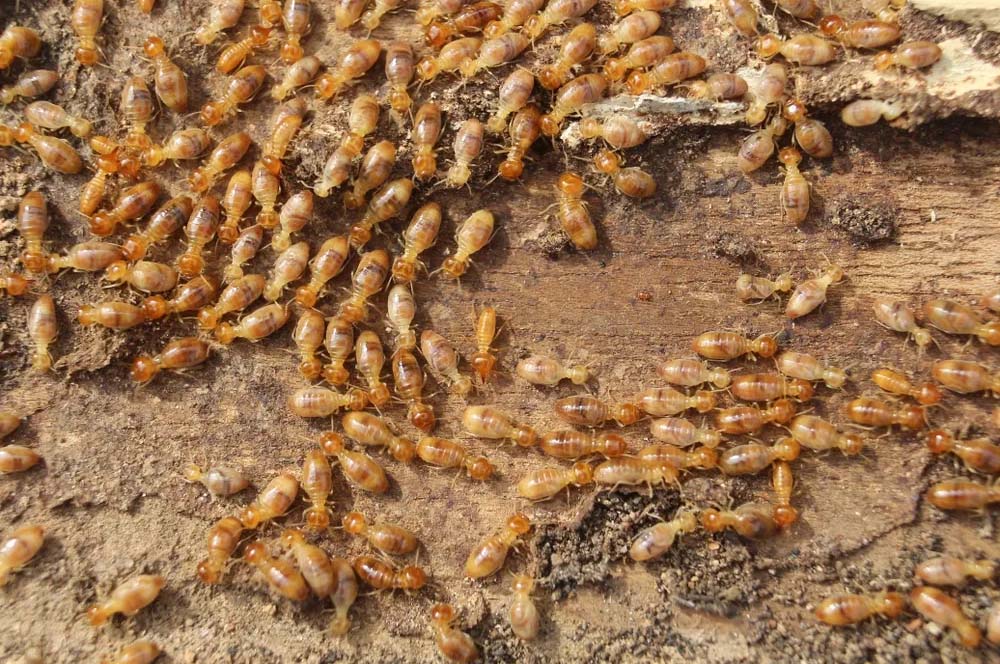
If you’ve ever spotted a termite swarm in the spring, you know how alarming it can be. But here’s something most homeowners don’t realize: termites don’t stop once the swarming ends. By the time August rolls around, colonies are still busy, and often doing the most damage while staying completely hidden.
That’s why professional pest control in Montgomery County MD is so important during the late summer months, when pests can cause problems before you even know they’re there.
Let’s talk about why August is one of the most important months to stay alert when it comes to wood-destroying pests.
What Are Wood-Destroying Insects?
Calling these insects “wood-destroying” helps us group several pests that share similar dangerous traits: they chew, tunnel, and nest in wood. If left untreated, they can cause serious damage to your home’s structure over time.
In Maryland, the main culprits include:
Subterranean termites – the most destructive of the bunch. These pests live in the soil and feed on wood from the inside out.
Carpenter ants – unlike termites, they don’t eat wood but hollow it out to build nests.
Carpenter bees – they also don’t eat wood, but can cause damage by drilling holes to create tunnels inside wooden structures.
Powderpost beetles – these insects lay eggs in wood, and their larvae bore tiny tunnels as they grow.
According to the Maryland Department of Agriculture, termite infestations in particular are a year-round concern, and regular inspections are key to catching them early. And these pests can go unnoticed for months while quietly weakening the wooden parts of your home.
At Womack, we’ve seen how quickly these insects can spread if ignored, even in homes that look fine on the surface.
What’s Happening Below the Surface
After a swarm, reproductive termites settle down and form new colonies. But the real threat comes from the worker termites, the ones that quietly chew through wood beams, floor joints, and support structures day and night. And they don’t need sunlight or fresh air to survive. In fact, they’re happiest in the dark, moist parts of your home like crawlspaces, basements, and behind walls.
According to the U.S. Environmental Protection (EPA), termite workers are the ones responsible for feeding the colony, and that means constant tunneling and feeding. It’s a year-round problem, not just a spring issue. They operate underground or inside your home’s wood structures and the damage often goes unnoticed.
That is why August is a critical time. Swarms may be over, but the colony’s destructive work is still in full swing.
Why August Matters So Much
Here in Maryland, the dog days of summer bring heat, humidity, and occasional heavy rains, conditions that create a perfect environment for termite and carpenter ant activity.
Here’s why August puts your home at risk:
- Warm, moist soil around your foundation makes it easier for termites to thrive.
- Leaky outdoor faucets, clogged gutters, or poorly ventilated crawlspaces create hidden pockets of moisture.
- Summer yard clutter, like firewood piles or mulch stacked too close to the home, gives termites a jumping-off point.
If you think termite season ends in spring, think again. By August, these pests are fully active and deeply entrenched.
Signs You Shouldn’t Ignore
The signs of wood-destroying insect activity can be easy to miss. You won’t always see a swarm. Instead, watch for things like:
- Mud tubes along the sides of your foundation
- Paint that’s bubbling or peeling for no obvious reason
- Soft or crumbling wood, especially around windows and doors
- Tiny holes in drywall or baseboards
- Stuck windows or sagging floors
If you see any of these signs, or you’re just unsure, it’s worth getting a professional inspection. Termites and carpenter ants don’t take the summer off.
Why Ongoing Inspections Are Essential
Many homeowners assume that a single treatment or inspection is enough. But the truth is, wood-destroying insects are persistent. Wood-destroying pests like termites, carpenter ants, and powderpost beetles can remain active for long periods without detection.
Regular inspections give you a chance to:
- Catch early signs of new infestations
- Make sure previous treatments are still holding up
- Identify and correct moisture issues
- Avoid major structural damage down the road
At Womack Pest Control, we specialize in finding what others might miss. Our trained technicians know where to look and how to keep your home protected, especially during peak risk times like late summer.
Don’t Let August Catch You Off Guard
By the time signs of termite damage are visible, the colony may have been active for months. August is no time to let your guard down.
If it’s been a while since your last inspection, or if you’ve noticed something unusual, reach out now. One visit could save you thousands in repairs and months of stress.
Schedule a termite inspection with Womack Pest Control today or give us a call. We’ll help you make sure your home stays strong, safe, and pest-free all-year round.