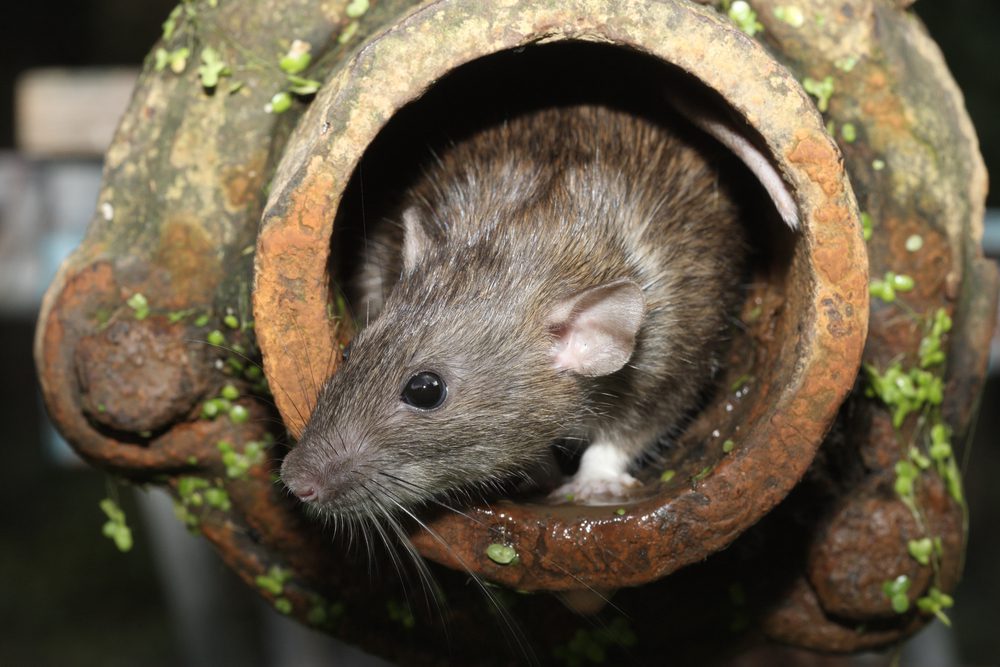
Most Maryland homeowners know winter brings pests indoors. What many don’t realize is how they’re getting in. Pests in your pipes aren’t a plumbing problem; they’re a pest control issue, with insects and rodents using drains, sewer lines, and pipe openings as hidden routes into warm homes once cold weather sets in.
When temperatures drop, pests don’t slow down; they get smarter. Outdoor food and water sources disappear, frozen ground limits movement, and pests start following paths that lead them straight into your home. Plumbing systems simply provide the access.
Why Does This Happen More in Winter?
Even we, humans, when it’s cold outside, seek shelter for warmth and comfort. Same with pests. When the cold weather hits, it forces them to look for three things: warmth, moisture, and shelter. Homes provide all three, and plumbing lines often connect the outdoors directly to kitchens, bathrooms, basements, and crawl spaces.
Even small issues, like a slow drain, a loose pipe seal, or moisture under a sink, can be enough to attract pests. Winter is peak season for indoor activity because rodents and insects use hidden entry points around utility lines and drains to avoid exposure to cold.
The Pests Most Likely to Use These Entry Points
Cockroaches: Roaches can survive winter by using moisture sources such as leaking pipes and damp cabinets. Once inside the house, cockroaches will typically remain hidden until they have established a larger population.
Drain Flies: These small flies breed inside drains where organic buildup collects. A majority of basement and laundry room sinks will not be used during winter months, thus providing drain flies with the optimal breeding ground during winter months.
Rodents: Rats and mice can travel along sewer lines and enter through small openings where pipes connect to the home. Most neighborhoods in Maryland have older sewer systems; therefore, rats and mice can easily access homes during the winter months.
Ants: Ants are also attracted to the nesting sites along the edges of pipe openings due to the moisture created there.
Signs Pests May Be Using Your Pipes
Because these pests enter quietly, the signs aren’t always obvious. Watch for:
- Bugs appearing near sinks, tubs, or floor drains
- Unexplained musty or sewer-like odors
- Droppings or activity in basements and utility areas
- Pests are showing up despite a clean home
These are often mistaken for plumbing issues when pests are actually the cause, or already part of the problem.
What Homeowners Can Do Right Now
Simple steps can make a big difference:
- Run water regularly in unused sinks and drains to keep traps full
- Fix leaks fast to eliminate moisture sources
- Seal gaps where pipes enter walls or floors
- Keep basements and crawl spaces as dry as possible
These steps help reduce pest attraction, but they don’t always solve the root issue, especially once pests have already found a way inside.
A Local Perspective from Womack Pest Control
Pests don’t need an open door to get inside. Sometimes, all they need is a pipe and the cold weather driving them inside. At Womack Pest Control, we see this pattern every winter across Maryland. Pest problems often start in places homeowners don’t think to check, and plumbing entry points are high on that list. Our inspections focus on how pests are getting in, not just where they’re showing up.
We help homeowners stop infestations early and prevent them from returning by identifying entry routes and the conditions pests rely on. Contact us if something feels off in your home this winter and you think an inspection is necessary.